
How Technology Is Transforming Critical Care Units
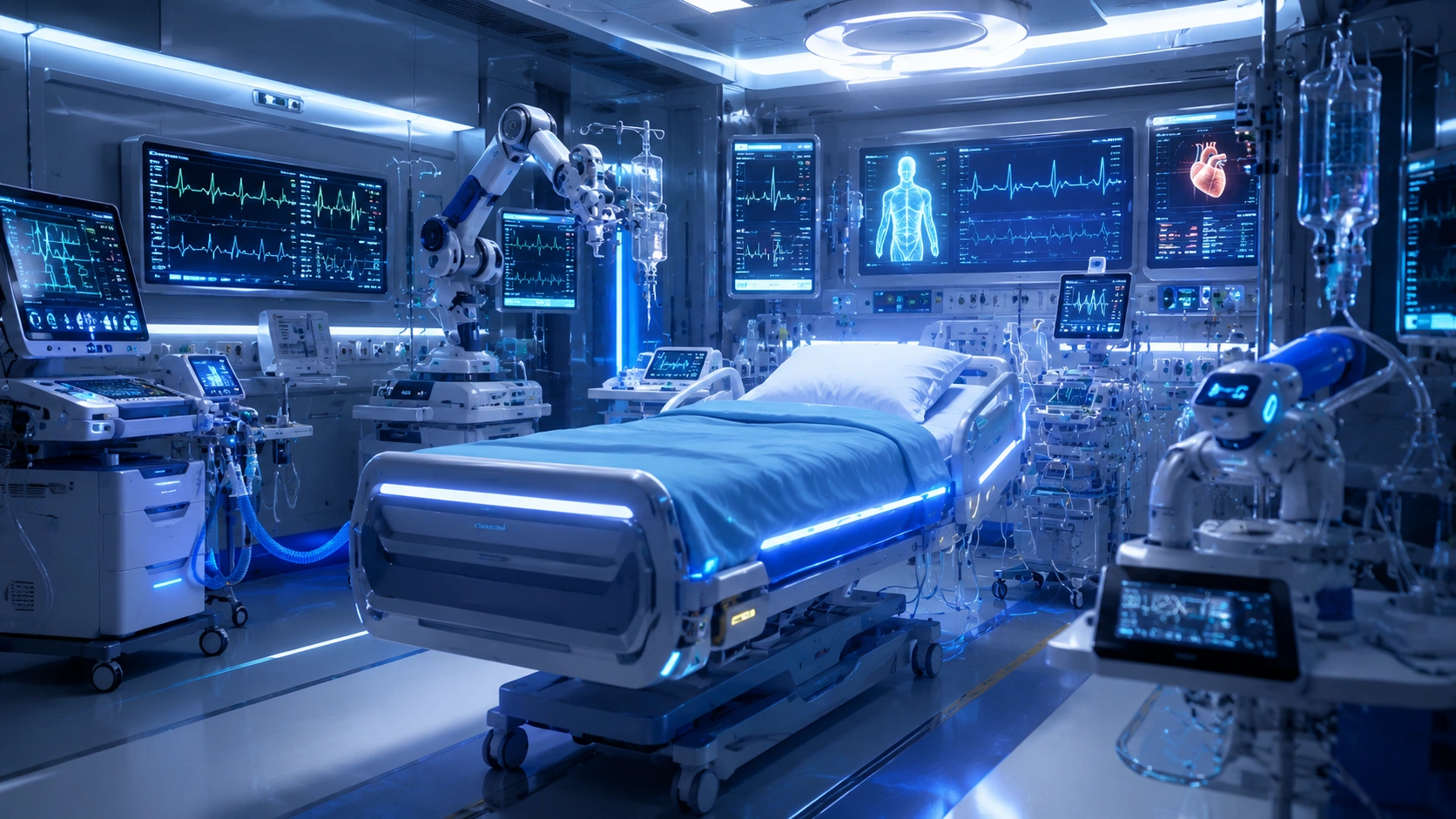
When you or a loved one needs critical care, the experience can feel overwhelming. The beeping monitors, advanced machines, and constant activity inside an Intensive Care Unit (ICU) may look intimidating. But what you are really witnessing is how far medicine has come in using technology to save lives.
Today’s critical care units are no longer just places where doctors and nurses provide round-the-clock attention. They are high-tech environments where innovations in monitoring, diagnostics, and treatment are reshaping how patients recover from life-threatening conditions. Understanding how technology works in your favour can ease some of the fear and help you feel more confident about the care being provided.
Smarter Monitoring at Every Second
One of the greatest strengths of modern ICUs is real-time monitoring. Machines track your heart rate, blood pressure, oxygen levels, and even brain activity every second. These monitors immediately alert the care team to even the smallest change, allowing quick decisions before a problem becomes serious.
Some hospitals now use wireless monitoring systems, which reduce clutter around the bed and give doctors instant updates through secure devices. This means your care team can respond faster and more efficiently.
Ventilators That Breathe Smarter
If you have ever seen a patient on a ventilator, you know how vital these machines are. Technology has made ventilators more advanced, safer, and tailored to your unique needs.
Modern ventilators adjust airflow automatically, reducing the risk of lung damage while ensuring you get enough oxygen. They are designed to synchronize with your natural breathing patterns, which makes recovery smoother and more comfortable.
Imaging and Diagnostics at the Bedside
In the past, patients often had to be moved for scans, which could be risky in a critical setting. Today, portable imaging devices like ultrasound and X-ray machines are brought right to the bedside. This means doctors can see what’s happening inside your body without delay, leading to faster diagnosis and treatment.
AI and Predictive Tools
Artificial Intelligence (AI) is playing a bigger role in critical care than ever before. These tools analyse massive amounts of patient data—vital signs, lab results, medical history—and predict complications before they happen.
For example, AI can alert doctors about a possible infection hours before traditional tests confirm it. By identifying risks early, your care team can act quickly, improving survival rates and reducing time in the ICU.
Robotics and Automation
Robotics is not replacing doctors or nurses, but it is making their work safer and more precise. Automated drug delivery systems ensure that you receive the exact medication dose at the right time. Robotic arms are sometimes used in minimally invasive procedures, reducing the stress on fragile patients.
Automation also helps with infection control. Machines now sterilize equipment, prepare IV drips, and manage supplies, giving staff more time to focus directly on patient care.
Virtual Consultations and Tele-ICUs
In many advanced hospitals, you may hear about tele-ICUs. This technology allows critical care specialists to remotely monitor patients using cameras, data feeds, and secure connections. For you, this means that even if your ICU is in a smaller hospital, experts from larger centers can oversee your care in real time, offering guidance to the on-site team.
Personalized Medicine in the ICU
Technology is also making treatment more personalized. Genetic testing, advanced lab tools, and precision medicine approaches help tailor therapies to your specific condition. Instead of a “one-size-fits-all” approach, you receive treatment that matches your body’s unique needs, improving both safety and effectiveness.
Data That Guides Recovery
Every second in the ICU generates important data—from heart rhythms to oxygen trends. Advanced systems now organize and analyse this information, giving doctors a complete picture of your progress. This allows them to decide when you can safely move out of the ICU, how to prevent relapses, and what steps to take in long-term recovery.
The Human Touch Behind the Machines
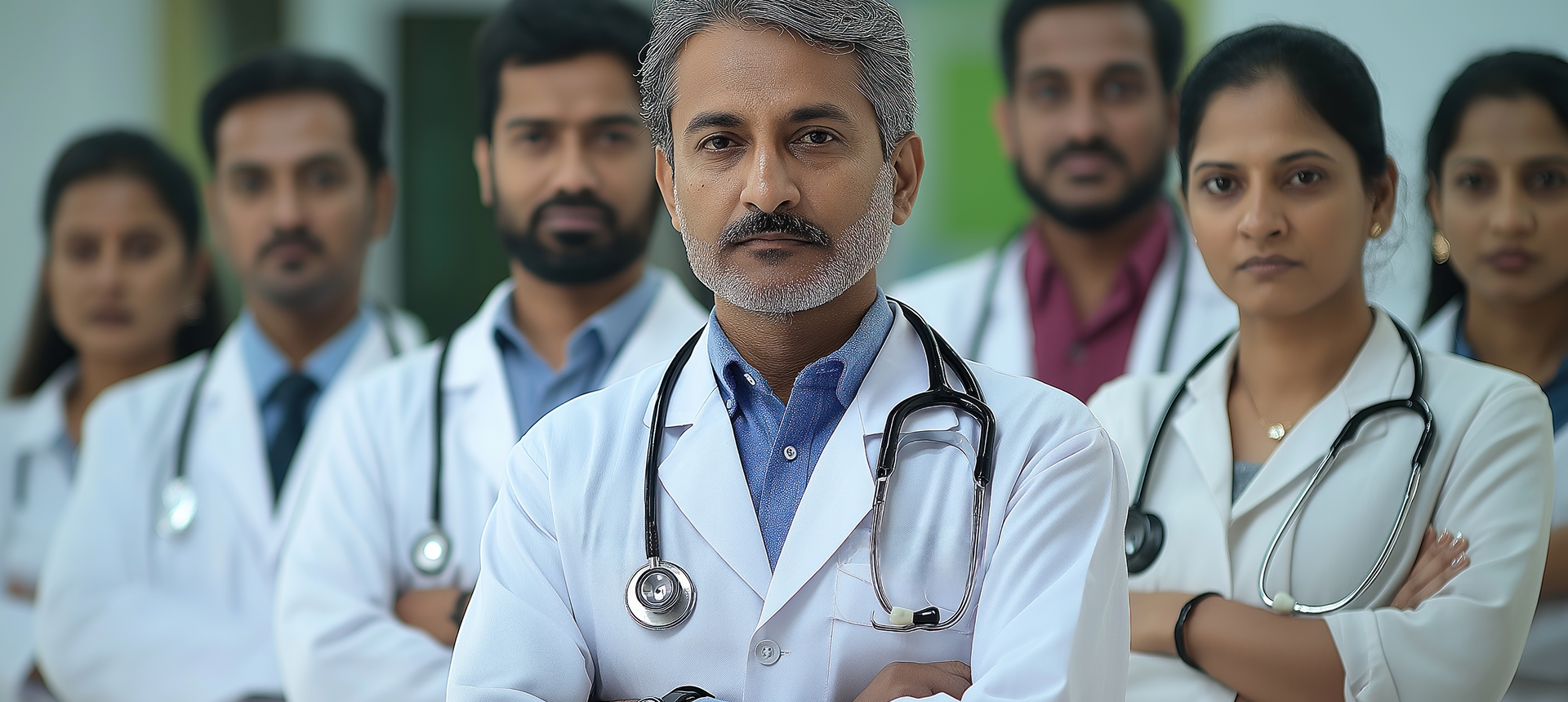
While technology is transforming ICUs, it’s important to remember that machines alone cannot heal. Behind every monitor and every algorithm is a dedicated team of doctors, nurses, and specialists who interpret the data, make decisions, and provide comfort to patients and families.
For you, this combination of advanced technology and human expertise means the highest level of safety and care when you need it most.
Conclusion
Critical care has changed dramatically with the help of technology. From smarter ventilators and bedside imaging to AI-powered predictions and tele-ICUs, every advancement is designed with one goal in mind: to give you a better chance of recovery and a smoother journey back to health.
At Sundaram Medical Foundation (SMF), our critical care units are built around what matters most—timely support, skilled hands, and heartfelt care. Whether you're facing a health emergency or standing beside a loved one, we’re here to offer clarity, comfort, and clinical excellence every step of the way.

✓ Medically Reviewed
Reviewed for medical accuracy by certified specialists at SMF
Meet Our Medical Review Board